Herbal Catalog
Traditional herbal forms and preparation methods
Traditional Herbal Forms
Below is an illustrative overview of traditional herbal preparation forms found across cultural traditions. These examples represent common preparation methods developed through generations of botanical knowledge.
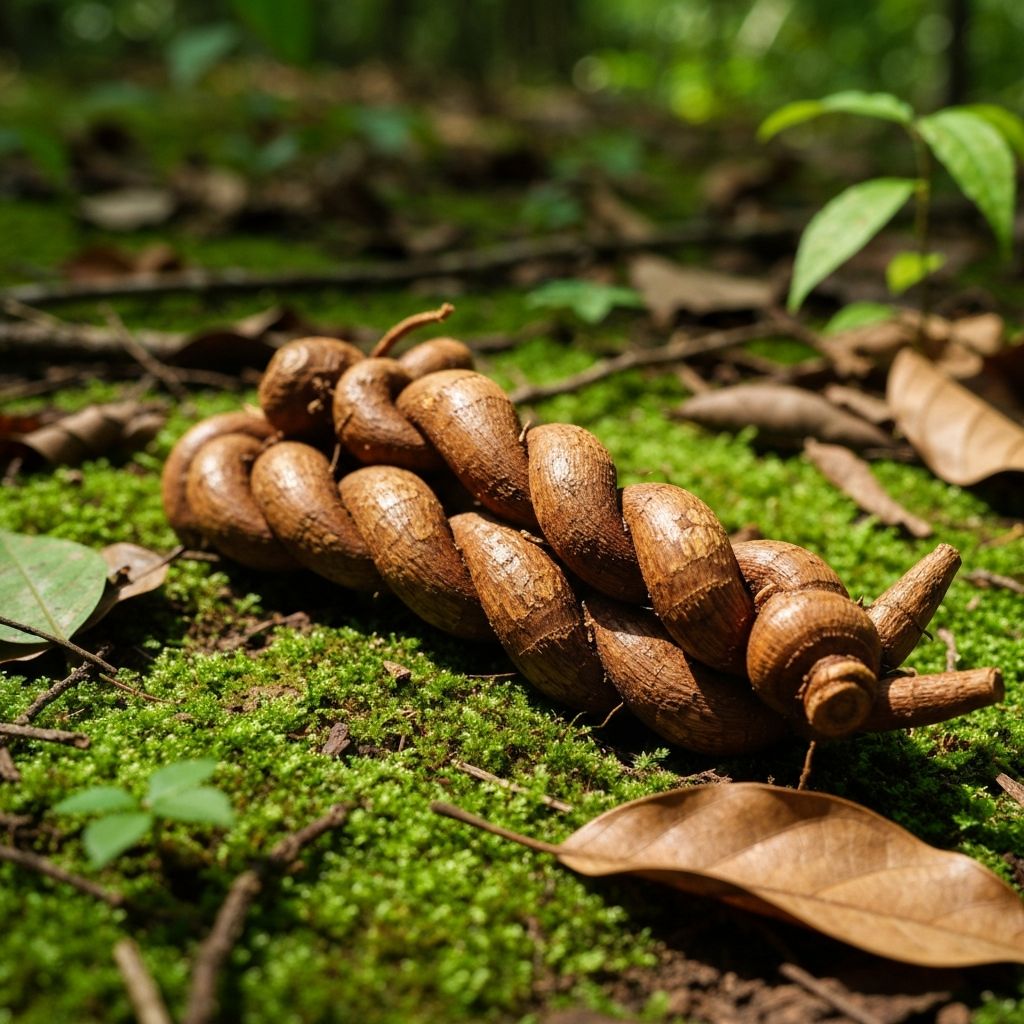
Eurycoma longifolia Root Powder
Traditional ground form of Eurycoma longifolia root, commonly used in jamu preparation and herbal infusions across Southeast Asia.
- Regional heritage and cultural preparation
- Fine consistent texture for traditional use
- Historical preparation method
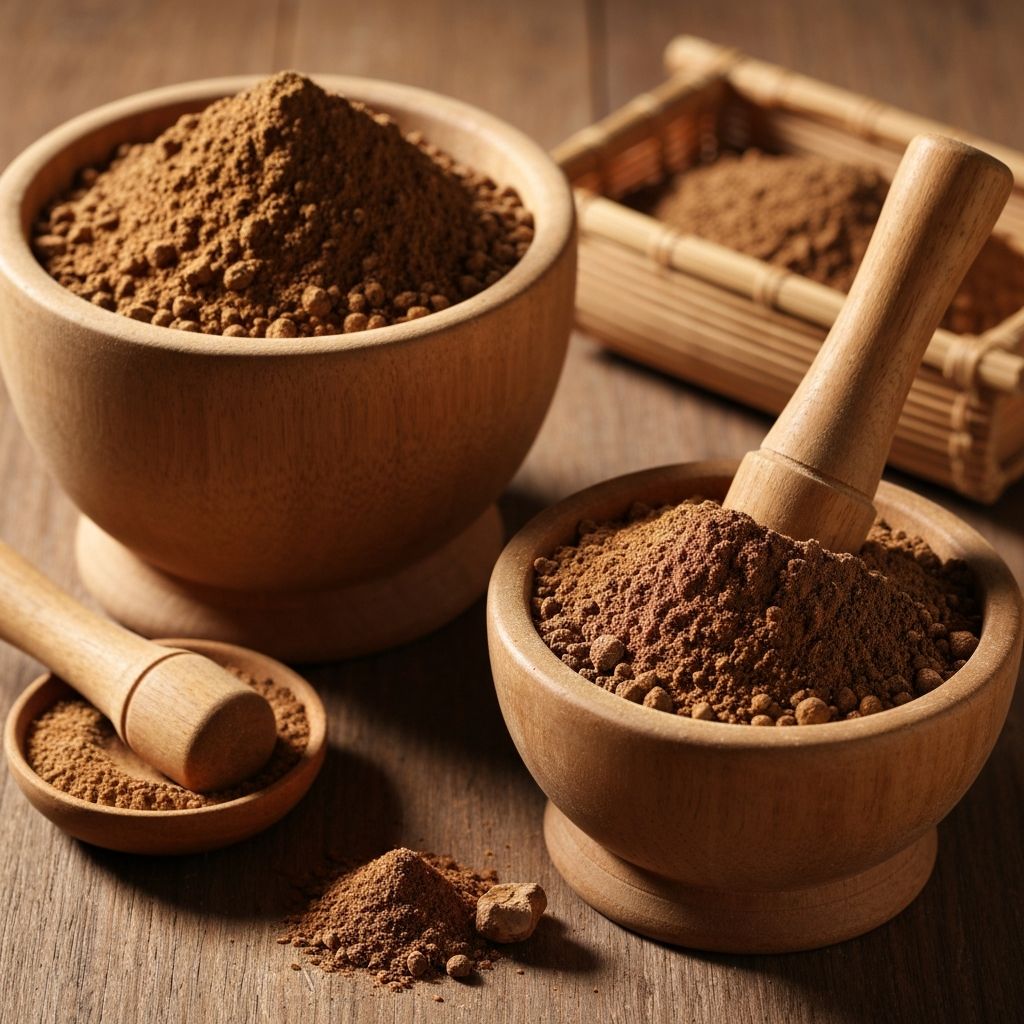
Withania somnifera Root Powder
Classic milled root form of Ashwagandha, reflecting traditional Ayurvedic preparation methods used for centuries in South Asian wellness practices.
- Historical preparation tradition
- Natural earthy color and aroma
- Integration into daily wellness rituals
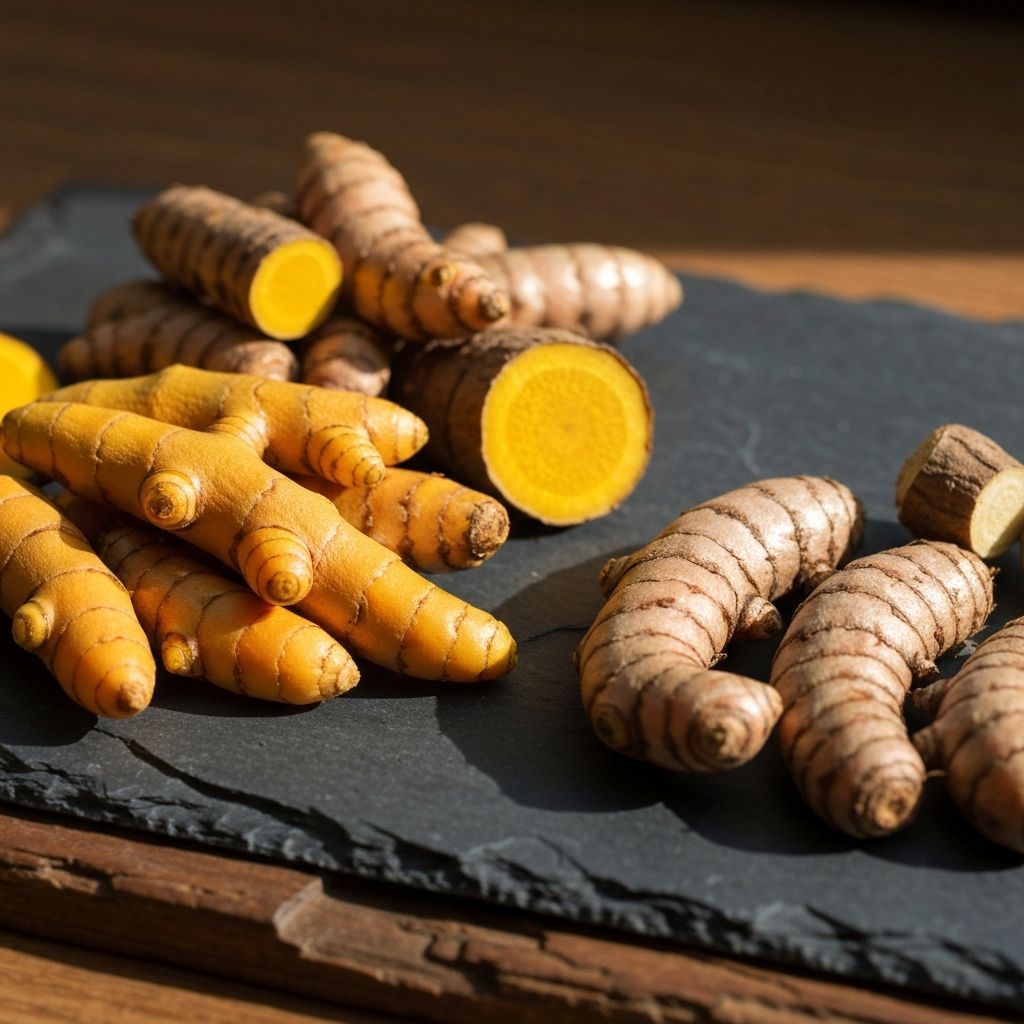
Curcuma longa Rhizome Powder
Turmeric powder representing everyday herbal staple across Indonesian jamu traditions and global culinary-wellness applications.
- Vibrant golden appearance
- Simple storage and extended shelf life
- Jamu and traditional preparation staple
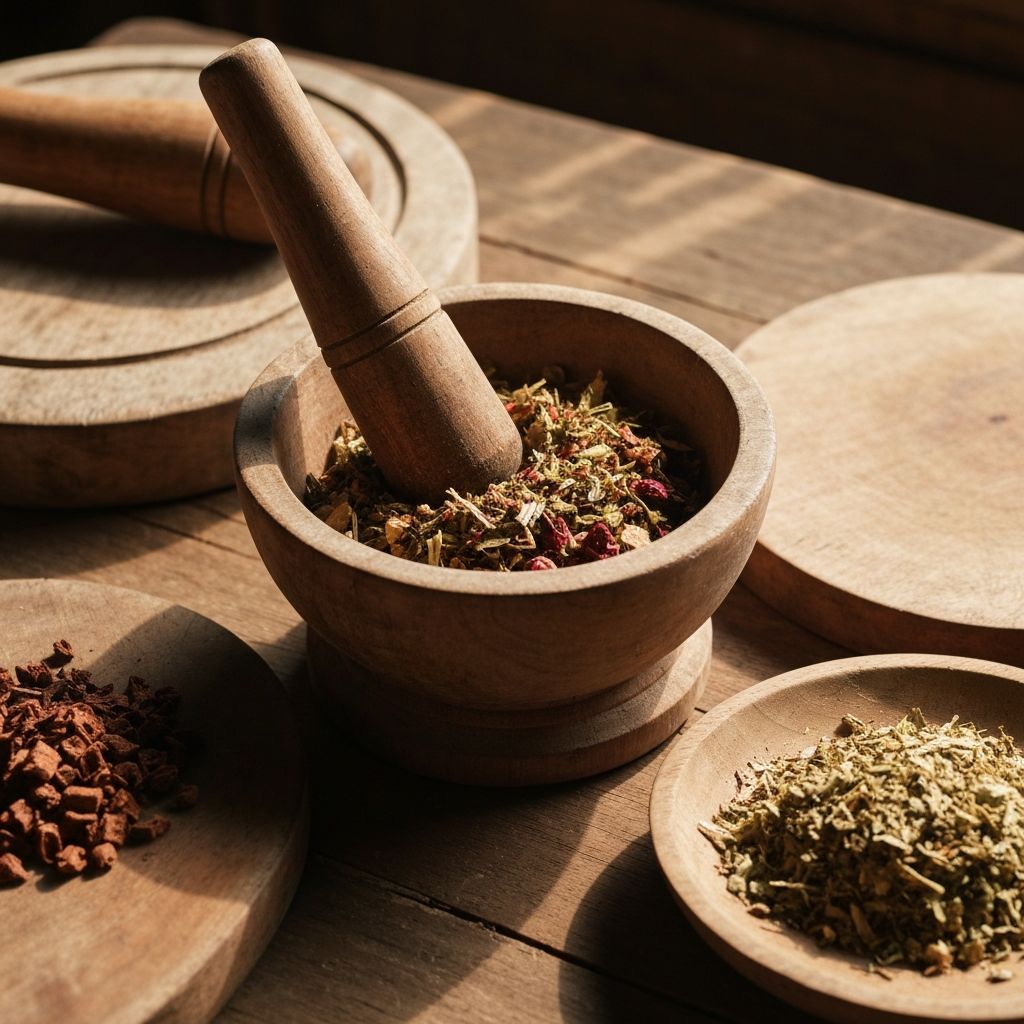
Dried Mixed Root Blend
Combined traditional roots representing the layered complexity of cultural herbal approaches, reflecting cross-cultural herbal wisdom traditions.
- Layered botanical example
- Cross-cultural knowledge integration
- Diverse plant sourcing perspective
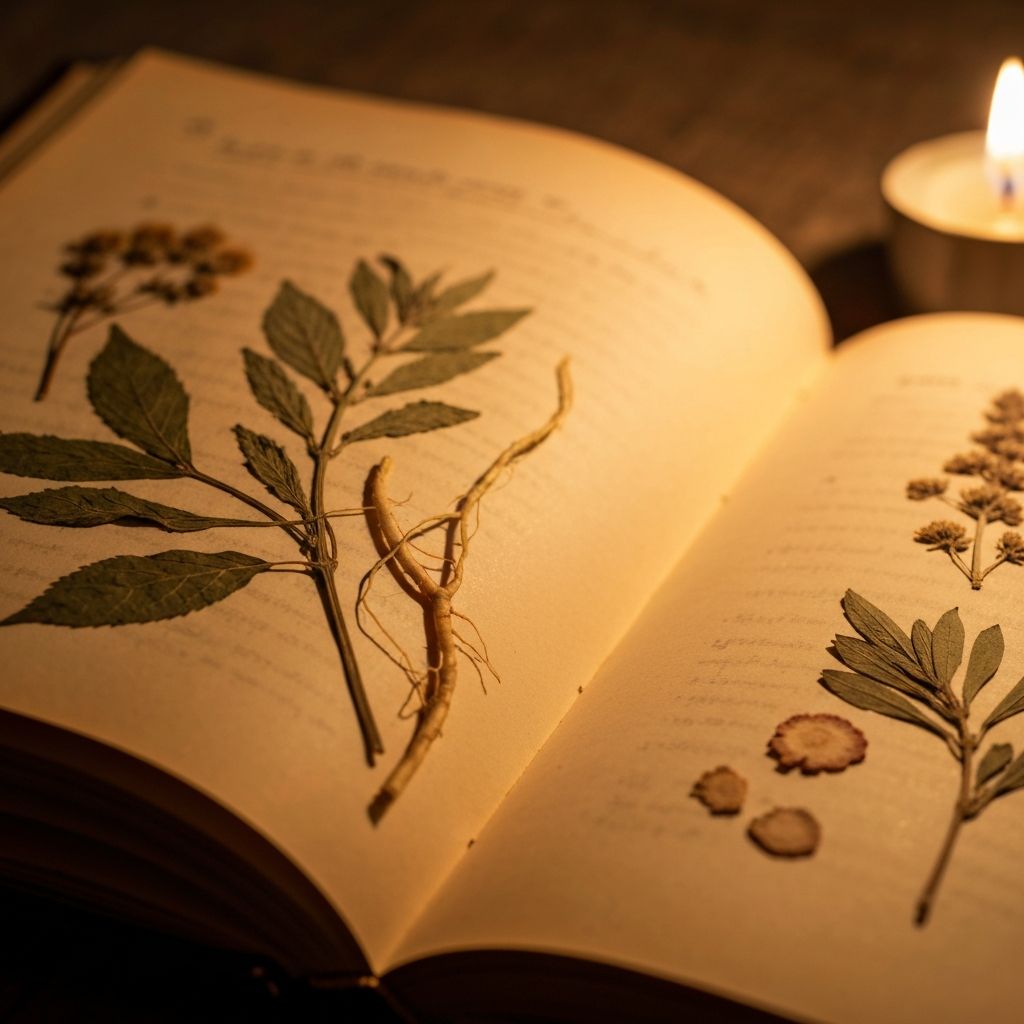
Minimally Processed Root Slices
Sliced dried roots and rhizomes designed for traditional infusion and decoction methods, maintaining authentic botanical form.
- Authentic unground appearance
- Gentle traditional brewing methods
- Visual clarity of plant material

Whole Dried Rhizomes & Roots
Unground, unprocessed plant material representing the closest form to traditional harvest and storage methods across botanical heritage.
- Closest form to natural harvest
- Textured authentic appearance
- Traditional long-term storage method
Educational Information & Catalog Context
Educational content only. No promises of outcomes.
This catalog presents illustrative examples of traditional herbal forms without commercial representation or sales functionality. The items listed represent preparation methods developed through cultural traditions rather than products for direct purchase.
Information is provided for educational understanding of how traditional herbal knowledge manifests in different preparation forms. This reflects historical and cultural context without individual recommendations for personal use.